
Medicare Dental and Vision Coverage: What You Really Get
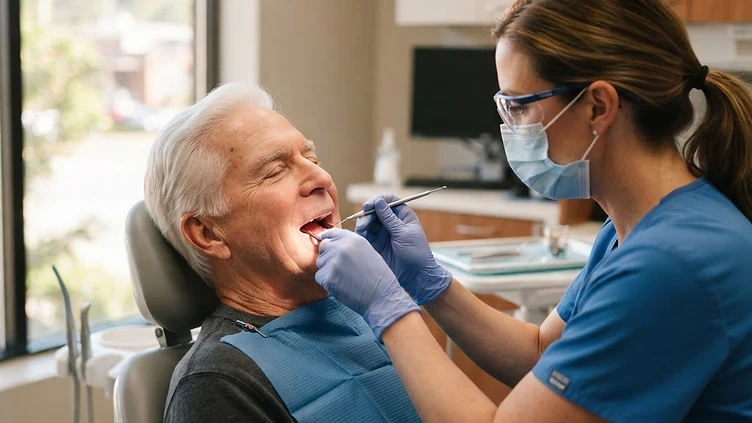
Original Medicare covers almost no routine dental or vision. Here is what it does pay, the three Part B eye benefits, the MA allowance system and its catch, use-it-or-lose-it timing, why 2026–2027 benefits tightened, and the standalone route.
The surprise arrives the same way every time: a patient on Medicare walks into a dental chair or an optical shop assuming the visit is covered, and walks out with a bill for the full fee. Original Medicare was built in 1965 around hospital and physician care, and routine teeth and eyes were never part of the building. What exists instead is a patchwork: narrow medical exceptions, a few genuine Part B eye benefits, and — inside Medicare Advantage — dental and vision allowances that look generous in the brochure and behave very differently at the counter.
This guide maps the patchwork: what Original Medicare excludes and the exceptions it does pay, the real Part B eye benefits, Medicare Advantage dental and vision and the annual maximum that is the catch, how allowances and networks work with use-it-or-lose-it timing, why 2026–2027 has tightened the supplemental side, the standalone route for Original Medicare holders, and how to evaluate a dental benefit before you enroll around it.
What Original Medicare excludes — and the exceptions it pays
Original Medicare pays for essentially no routine dental care: no cleanings, no exams, no fillings, no dentures, no implants. The exceptions are medical, not dental: care that is part of a covered medical treatment — a jaw reconstruction after an accident, oral surgery connected to a covered condition, or inpatient care where dental complications complicate the stay — can be paid as medical care, with the physician/hospital side covered rather than the dental side. The dividing line is the reason for the service, not the body part, and it is drawn narrowly. The same logic governs routine vision: Original Medicare does not pay for eye exams for glasses or contacts.
The real Part B eye benefits
Part B does pay for three genuine eye services, and every beneficiary should know them by name:
- Diabetic retinopathy screening: a yearly eye exam for people with diabetes, paid by Part B.
- Glaucoma testing: an annual test for people at high risk — family history, diabetes, age, and other risk factors.
- Cataract surgery: a medically necessary lens extraction is covered as surgery — and after a surgery with an intraocular lens implant, Part B pays for one pair of corrective glasses following the operation.
Everything else routine — refraction, glasses prescriptions, contact lens fittings — is out of pocket unless another plan steps in.
Medicare Advantage dental and vision: the numbers
Medicare Advantage is where dental and vision “coverage” in Medicare mostly lives, and the scale is real: more than 98% of MA enrollees are in plans carrying some dental benefit and some vision benefit, and about 95% have a hearing benefit — with the average MA supplemental premium running about $15 a month in 2026 and 75% of enrollees paying $0 for their plan's premium. The catch is not access; it is structure. Dental benefits arrive as capped annual allowances — an amount the plan will pay toward dental care in the year, often split between preventive and comprehensive services — and a major case (a crown, an implant, dentures) can consume the whole allowance in one visit. The average in-network out-of-pocket maximum for MA plans runs $5,421, and dental allowances sit largely outside that protection: they are a budget, not a shield.
Allowances, networks, and use-it-or-lose-it
MA dental and vision benefits have three mechanics that decide their real value. First, the allowance: a fixed dollar pool per service category — preventive often richer or fully covered, comprehensive capped. Second, the network: the allowance typically pays in full only at participating dentists and optometrists, so the benefit is only as wide as the local panel. Third, the calendar: allowances are usually calendar-year balances — what is not used by December 31 does not roll over. The practical rules that follow: schedule the cleaning and the eye exam early in the year rather than December; confirm the dentist is in the plan's network before the visit, not after; and if the year's allowance will not cover a needed major service, plan the case across two calendar years to draw on two allowances. One more timing note: January's plan changes can move these benefits — a new plan year can mean a new network and a new allowance structure.
Why supplemental benefits have tightened for 2026–2027
The allowance era is cooling. Insurers are responding to tightened plan payments and higher utilization by trimming the supplemental side: reduced allowances, narrower dentist panels, more services shifted from fully covered to allowance-funded, and higher out-of-pocket exposure inside the medical benefit. The 2026–2027 plan years show this in the data: benefits are still broad in reach — the 98% dental figure holds — but the depth of the average benefit is thinner than the brochures imply, and out-of-pocket maximums have risen. The shopper's conclusion: for 2027 enrollment, read the dental and vision allowance amounts, not the headline “dental included,” and compare them against your actual dentist's fees.
The standalone route for Original Medicare
A beneficiary on Original Medicare — typically with a Medigap supplement beside it — has no MA allowance to lean on and needs standalone products: an individual dental plan, a vision plan, or a discount membership, priced against actual expected use. The full Medigap-versus-MA decision is its own subject — our Medicare Advantage vs Medigap guide covers it in depth, and the dental side is priced in our dental savings plans vs dental insurance comparison. The honest summary: Original Medicare plus a standalone dental plan costs real premiums but buys a network and benefits chosen for your mouth, not a plan's marketing.
The three biggest surprises: dentures, implants, hearing aids
Three items generate most of the shock bills in Medicare dentistry and audiology. Dentures: rarely meaningfully covered even in MA plans with dental — often an allowance-funded fraction of a several-thousand-dollar case. Implants: the largest dental ticket of all, commonly $3,000–$5,000 per tooth, and almost never covered beyond allowance pennies. Hearing aids: even with 95% of MA enrollees holding a “hearing benefit,” the allowance commonly covers a fraction of a device pair that runs thousands — while Original Medicare pays nothing for hearing aids at all. Anyone planning these three purchases should price them before choosing a plan, not after.
How to evaluate a dental benefit before enrolling
- Ask for the annual allowance amount — separate preventive versus comprehensive figures.
- Ask whether your own dentist is in the network, by name, in writing.
- Price one major service you actually expect (a crown, a denture) against the allowance.
- Check the calendar mechanics — rollover, mid-year enrollment proration, and the December 31 cliff.
- Read the 2027 Annual Notice of Change for what the allowance was last year and what it becomes.
How we can help
We review your current plan's dental, vision, and hearing allowances against the care you actually plan for — your dentist, your optometrist, your expected procedures — and price the standalone route beside the MA route so the choice is arithmetic, not brochure. Call 855-277-7770 or 469-333-2220, or request a free consultation through our site — and start on our Medicare services page and dental insurance page.
Educational notice: American Mutual Insurance Agency LLC is an independent licensed insurance agency providing general educational information only — not medical, dental, or legal advice. Plan allowances, networks, and figures change annually; the 2026 figures cited are officially adopted averages, and individual plan documents govern your benefits.